Bill Gekas, an internationally award-winning photographer, feels inspired by the visual ambiances of the Old Masters of Western European painting, such as Vemeer and Rembrandt. He duplicated them magificently in a photo series that includes his daughter and himself.
Using various models, including his five-year-old daughter, Gekas has brilliantly re-imagined the masters, replicating the lighting style for which they are famous. The so-called Rembrandt lighting is characterised by strong window light falling on one side of the subject’s face and body, producing shadows amid a rich glow. Gekas uses artificial light to simulate the admired window-lighting effect.
Nicaragua by Aerial Photography project over nicaraguan’s East cost flying 3000 feet high from from Puerto Cabeza (Bilwi*) to Bluefields. Below the selection of the best pictures.
The 4 ways are to get from Puerto Cabeza to Bluefields :
By airplane, you need too book wherever exist an airport or a travel agency. in 2012 the cost was about 103 USD (one way).
By cargo boat, it’s a cargo boat and it departs from Puerto Cabeza to Bluefields when the boat if full of goods. Usually one day a month it leaves but it’s not sure when exactly. Probably if you find the way to get the direct contact of the captain (I dont have) he will tell you for sure.
By private speed boats, sometimes, there are speed boats called lancias that bring lobster divers with decompression sickness from Corn Island to Puerto Cabeza where is the only decompression chamber of the Atlantic coast, maybe you can be lucky and get one. I don’t know how much they will charge you.
By road, you come back to Managua and you go to Bluefields.
The school bus, also called chicken bus, is the main means of transportation in Central America. They are old 80’s buses imported from USA. Blue Bird and Thompson are the two companies build those strong vehicles.
Some driver loves to play load classic 80’s american music hits, such as Total Eclipse of the Heart by Bonnie Tyler and…if there is a 32” LCD the music video is included!
School bus in Rio Blanco, Nicaragua, Central America
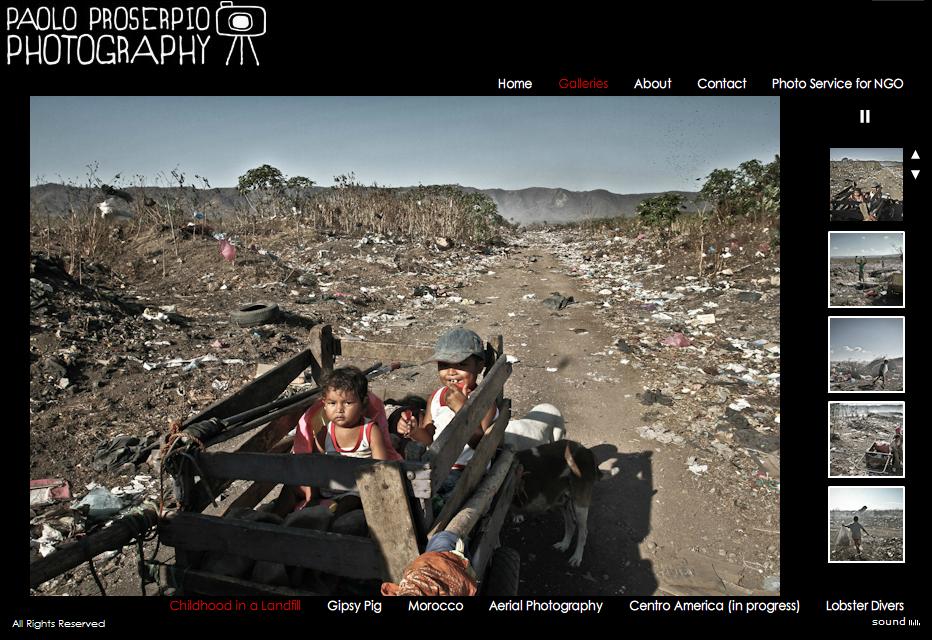
Focalizzato sulla vita quotidiana dei bambini nella discarica(Vertadero) di Ciudad Sandino, il fotoreportage mostra la realtà di queste piccole vite che si consumano in mezzo al perpertuo fumo tossico generato
dai rifiuti che lentamente bruciano sotto i loro piedi.
Siamo nella periferia di Managua, capitale del Nicaragua, in una delle discarica a cielo aperto più
grandi del Centro America.
La presenza dei bambini rende questo luogo ancora più surreale, assieme ai genitori rovistano
tra i rifiuti per raccattare e poi rivendere tutto ciò che è riciclabile: metallo, carta, cartone e
bottiglie di plastica.
La polvere alzata dal vento e dai camion, ti entra fino alle mutande; la sensazione è orribile ma
per loro, che tra i rifiuti ricavano da vivere, è l’ultimo dei pensieri.
Talvolta, i bambini, incontrano anche un giocattolo che gli restituisce quella spensieratezza e
quello sguardo da fanciulli. In fretta lo custodiscono nel loro zainetto, lo stesso zainetto che
usano la mattina per frequentare la scuola.
Speriamo nello stesso finale positivo accaduto alla discarica di Managua detta La Chureca, trasformata in un centro di raccolta differenziata grazie alla cooperazione spagnola (AECID).
Foto reportaje sobre la peligrosa profesión de buzo de langostas. Publicado en la revista “Domingo” del Diario “La Prensa.”
Corn Island está cerca de seis horas en barco desde la Costa Caribe de Nicaragua. No es fácil llegar si no es con un boleto de avión desde Managua. Vía tierra son casi quince horas, la buena noticia es que este año el Aeropuerto de Corn Island se transformará en Aeropuerto Internacional. El 2013 es un año de transformación e inversión en el negocio turístico, pero no para lo que no hay buenas noticias es precisamente para los que trabajan en el negocio de las langostas “El oro rojo del Caribe”.
La pesca de langosta se puede realizar en dos maneras: Con trampas y a mano con un arpón debajo del agua a grandes profundidades. La organización que regula la pesca en Centroamérica (OSPESCA) debe hacer algo para terminar con este tipo de pesca peligrosa, pero los buzos siempre consiguen la extensión de dos años más para trabajar. En junio del 2013 ellos preguntaban para una nueva extensión.
Pero, ¿cómo hacen los buzos para ejercer el trabajo? ¿Quiénes son ellos?
Esta es una historia de economía sumergida- no encuentro mejor palabra para describir esta realidad- contada también en fotografía documental, un trabajo que puede generar reflexiones cuando estés en frente de un plato de langosta servido en los mejores restaurantes del mundo, por tanto, puede llegar a transformar la realidad de la pesca de langosta que en la actualidad está fuera de control.