Striptease, milk, business, security, coffee, studying…all these advertisements feature white people (“cheles” in the local language).
Why? According to communication sociology, when you see a significant difference in lifestyle, appearance, clothing, economic status, etc. — often something not easily easily achievable — you feel attracted to and it and develop an urge to imitate. This urge to imitate those symbols portrayed in the billboards generates the desire to have, to buy and to be like them. Ultimately, anthropologically speaking, to align oneself identity with blanquitud.
But what are the secondary effects or consequences that this kind of advertising can produce on the peoples living in Managua?
“They are cheles“. Advertisements in Nicaragua.
One hour driving from east to west through Managua, the capital of Nicaragua, these are the billboards I saw along the road from my car. Mostly very white people, with very few darker-skinned persons, who mostly play roles of people in need.
In the United States, until the 1980s, advertisements were similar: white people and Western-style houses.
Below is a visual analysis of these advertisements, enough to make me wonder how much this kind of marketing could generate or reinforcing the stereotypes of colorism or increase a subtle racism within Nicaraguan culture.
-

- Is this a Nicaraguan family that represent the majority of Nicaraguan families or is another ADS whitening process? It is an old marketing strategy. – LAFISE Newsletters. December 5, 2021
-

- Old white woman and white nephew, that woman doesn’t reminds me a Nicaraguan grandma! But it’s a way to attract very different people: the locals, i.e. the real costumers.
-
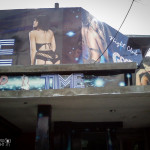
- Night Club, white skinny girls. Not so common in Nicaragua. But very attractive because they are so different.
-
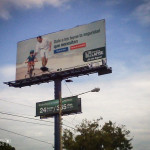
- Why is not necessary for everyone? Because it’s exclusive, so it generate attraction…
-
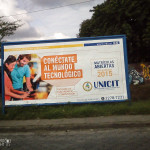
- White people connected through technology
-
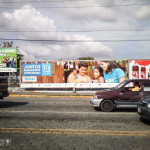
- Who TECHO (a Nonprofit organization) helps? Darker children
-
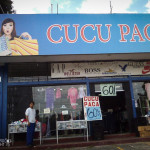
- White girl model, dark customer watching me
-
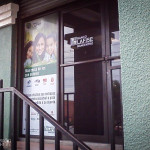
- Bank
-
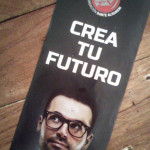
- Future is for white people only?
-

- Life is beautiful
-

- Talents…a white girl
-
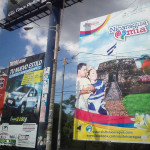
- Whites
-

- Happy white girl getting money
-

- The taste of happiness, YES!
-
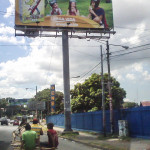
- Long life
-

- White family, do need a vehicle?
-
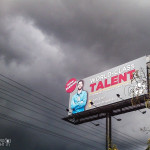
- Talents…a white boy
-
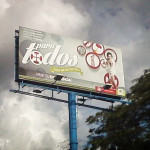
- For everyone?
-
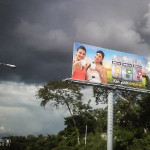
- Coffee, not expensive but still only white people on ADV.
-

- Nice smile, for who? Guess
-
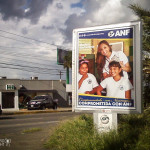
- Who ANF (a fundacion) helps? Darker children
-

- Future managers, whites.
-

- Safety guards to not break dreams of a little white baby
-
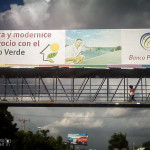
- Business, white happy guy.
-

- Loan make happy white people
-
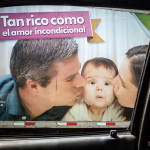
- Another typical Nicaraguan family
-
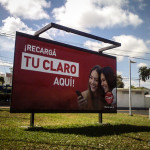
- Claramente, two white chicks